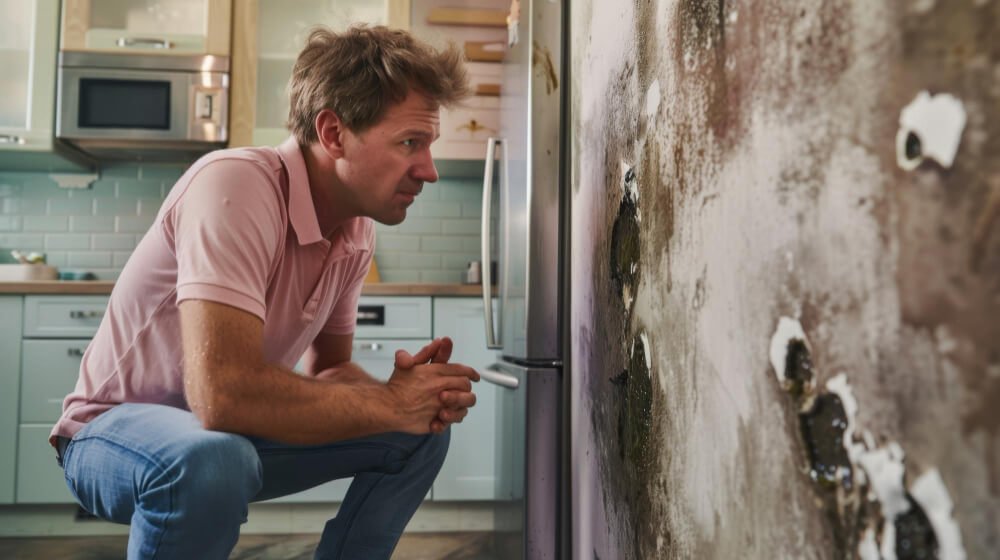
Water damage discovery during home renovations can transform an exciting upgrade project into a costly nightmare. Last month, Mark Chen started a simple kitchen renovation in his Ascot home, only to uncover extensive water damage behind the walls that had been silently spreading for years. What began as a $15,000 kitchen refresh became a $35,000 structural restoration project.
Home upgrades present unique opportunities to detect hidden water damage before it becomes catastrophic. Brisbane’s humid subtropical climate accelerates water damage progression, making early detection during renovation work absolutely critical. Whether you’re planning a bathroom remodel, kitchen upgrade, or adding an extension, understanding water damage identification saves thousands in emergency repairs.
Here’s what contractors won’t always tell you: 70% of water damage in Brisbane homes goes undetected until renovation work exposes the problem. By the time visible signs appear, structural damage often requires extensive remediation that can double your renovation budget.
This comprehensive guide reveals the exact detection methods, prevention strategies, and professional intervention points that protect your investment during any home upgrade project. You’ll discover the specific signs Brisbane homeowners must watch for, the latest smart detection technology, and when to call experts before minor moisture becomes major disaster.
Understanding Water Damage During Renovations
Home upgrades create ideal conditions for water damage discovery because renovation work exposes hidden areas where moisture accumulates undetected, particularly in Brisbane’s high-humidity environment where concealed damage progresses rapidly.
Renovation activities like wall removal, flooring replacement, and plumbing modifications reveal water damage that’s been developing silently. Brisbane’s consistent humidity levels between 50-80% year-round create perfect conditions for hidden moisture problems.
Common renovation discoveries include:
- Subfloor moisture damage from bathroom and kitchen leaks
- Wall cavity water penetration through compromised seals and weatherproofing
- Ceiling timber rot from roof leaks or plumbing failures
- Foundation moisture issues from poor drainage or waterproofing failure
Timing considerations matter significantly in Brisbane’s climate. Dry season renovations (April-September) provide optimal conditions for moisture detection and remediation work. Wet season discoveries often require immediate emergency intervention to prevent mold proliferation.
Early Warning Signs of Hidden Water Damage
Visual indicators during renovation preparation reveal moisture problems before major work begins. Professional contractors systematically check these areas, but homeowners should understand the warning signs:
Discoloration patterns include:
- Yellow or brown ceiling stains indicating roof or upstairs plumbing leaks
- Dark spots on subflooring suggesting long-term moisture exposure
- Wall paint bubbling or peeling from moisture behind surfaces
- Rust stains around fixtures pointing to ongoing water contact
Structural symptoms become apparent when examining renovation areas:
- Soft or spongy flooring sections indicating timber decay
- Warped door frames or skirting boards from moisture expansion
- Cracked tiles or loose grouting allowing water penetration
- Musty odors during demolition work revealing hidden mold growth
Advanced detection methods provide definitive moisture assessment:
- Moisture meters ($45-$340) measure water content in building materials accurately
- Thermal imaging reveals temperature differentials indicating water presence
- Humidity monitoring identifies elevated moisture levels in enclosed spaces
Professional Water Detection Technology
Smart leak detection systems have revolutionized water damage prevention during home upgrades. These systems provide real-time monitoring and immediate alerts when moisture levels exceed safe thresholds.
Sensor placement strategies for renovation areas:
- Under-floor sensors monitor subfloor moisture during flooring upgrades
- Wall cavity monitors detect moisture behind surfaces before finishing work
- Appliance sensors track water usage and leak detection during kitchen/bathroom renovations
- Basement monitoring protects foundation areas during structural work
Popular detection systems for Brisbane conditions:
- Moen Smart Water Detector ($42): Battery-powered, smartphone alerts, ideal for temporary renovation monitoring
- Flo by Moen Monitor ($549): Whole-home water monitoring with automatic shutoff capabilities
- YoLink Water Sensor ($25-$35): Long-range connectivity, multiple sensor support
Professional assessment tools used by Brisbane contractors:
- Tramex Moisture Encounter Plus ($340): Professional-grade moisture measurement
- FLIR thermal cameras ($599-$2,400): Infrared detection of hidden water sources
- Acoustic leak detection ($180-$450 per assessment): Identifies water movement within walls
For comprehensive water damage assessment before major renovations, professional roof leak detection brisbane services provide specialized expertise in identifying hidden moisture sources that could compromise your upgrade project.
DIY Water Damage Detection Methods
Homeowner inspection techniques provide preliminary water damage assessment before professional consultation. These methods help identify obvious problems without expensive equipment investment.
Visual inspection checklist:
- Ceiling examination: Look for stains, sagging, or texture changes
- Wall surface review: Check for paint problems, soft spots, or discoloration
- Floor assessment: Test for soft areas, squeaking, or visible moisture
- Fixture surrounds: Inspect caulking, seals, and adjacent surfaces
Simple testing methods:
- Moisture meter scanning ($45-$120): Affordable tools provide basic moisture readings
- Plastic sheet test: Cover suspected areas for 24 hours, check for condensation
- Odor identification: Musty smells often indicate hidden moisture problems
- Sound testing: Tap walls and floors listening for hollow sounds indicating damage
Documentation requirements:
- Photograph all suspicious areas for contractor consultation and insurance purposes
- Measure affected zones to estimate repair scope and costs
- Record moisture readings if using detection equipment
- Note seasonal variations in moisture levels and visible symptoms
Limitations of DIY detection:
- Hidden damage behind finished surfaces requires professional assessment
- Structural implications need qualified evaluation for safety and building compliance
- Insurance requirements often mandate professional documentation for claims
- Remediation planning requires expertise in Brisbane’s specific climate challenges
Addressing Water Damage Before Major Renovations
Immediate action priorities prevent minor water damage from escalating during renovation work. Brisbane’s humid climate accelerates damage progression, making prompt intervention essential.
Emergency stabilization steps:
- Stop water source: Identify and eliminate active leaks immediately
- Extract standing water: Use pumps, vacuums, or professional extraction services
- Establish ventilation: Increase airflow to affected areas using fans and dehumidifiers
- Document conditions: Photograph damage extent for insurance and contractor planning
Professional intervention timing depends on damage severity and renovation scope:
- Minor moisture issues: Address during renovation planning phase
- Moderate damage: Require remediation before renovation work begins
- Extensive problems: May necessitate complete renovation plan revision
- Structural concerns: Demand immediate professional assessment and permits
Cost implications vary significantly based on intervention timing:
- Early detection: $500-$2,000 for localized remediation
- Moderate damage: $2,000-$8,000 for comprehensive moisture treatment
- Extensive problems: $8,000-$25,000 for structural repairs and remediation
- Emergency intervention: Add 40-60% to standard remediation costs
Insurance considerations for water damage during renovations:
- Pre-existing damage may not be covered under standard policies
- Renovation-related discoveries require immediate insurance notification
- Documentation requirements include professional assessment and photographic evidence
- Coverage limitations vary significantly between insurers and policy types
Smart Technology Integration During Upgrades
Connected monitoring systems provide continuous oversight during renovation projects, alerting homeowners to developing moisture problems before they become costly disasters.
Installation strategies for renovation projects:
- Temporary monitoring during construction using battery-powered sensors
- Permanent integration with new plumbing and electrical systems
- Smart home connectivity linking water detection to security and home automation
- Professional-grade systems for high-value renovations or moisture-prone areas
Technology selection criteria:
- Battery life: 2-5 years typical for temporary renovation monitoring
- Connectivity range: Wi-Fi vs. proprietary networks for reliable communication
- Alert customization: Smartphone notifications, email alerts, or local alarms
- Integration capability: Compatibility with existing smart home systems
Professional installation benefits:
- Optimal sensor placement based on building design and moisture risk assessment
- System calibration for Brisbane’s specific humidity and temperature ranges
- Warranty coverage protecting equipment investment during construction
- Ongoing support for system maintenance and alert management
For professional water damage assessment and remediation services during home upgrades, experienced Brisbane roof and building inspection specialists provide comprehensive moisture evaluation and repair solutions tailored to Queensland’s climate challenges.
Prevention Strategies for Future Water Issues
Proactive moisture control during renovations prevents future water damage while upgrading systems provide enhanced protection against Brisbane’s challenging climate conditions.
Upgrade opportunities during renovation projects:
- Enhanced waterproofing in bathrooms, kitchens, and wet areas
- Improved drainage systems including better gutter design and foundation waterproofing
- Ventilation upgrades reducing humidity buildup in enclosed spaces
- Quality material selection choosing moisture-resistant products for Brisbane conditions
Building material considerations for Brisbane homes:
- Moisture-resistant subflooring like marine-grade plywood or concrete slabs
- Vapor barriers installed correctly to prevent condensation issues
- Quality sealants and caulking designed for high-humidity environments
- Drainage-friendly finishes that channel water away from vulnerable areas
System integration benefits:
- Smart leak detection becomes part of permanent home infrastructure
- Improved plumbing design reduces future leak risk through better materials and layout
- Enhanced electrical safety with GFCI protection in moisture-prone areas
- Insurance premium reductions for homes with documented water damage prevention systems
Maintenance planning for upgraded systems:
- Annual professional inspections of waterproofing and drainage systems
- Quarterly sensor testing ensuring detection systems remain functional
- Seasonal preparation for Brisbane’s wet season challenges
- Documentation maintenance keeping warranty and service records current
Cost Analysis and ROI of Water Damage Prevention
Investment comparison between prevention and remediation reveals significant cost advantages for proactive water damage management during renovation projects.
Prevention costs during renovation:
- Smart detection systems: $200-$1,500 for comprehensive home coverage
- Enhanced waterproofing: $500-$3,000 additional during bathroom/kitchen renovations
- Professional assessment: $280-$450 for pre-renovation moisture evaluation
- Quality material upgrades: 10-20% premium for moisture-resistant products
Remediation cost comparison:
- Minor water damage: $2,000-$8,000 for localized treatment and repairs
- Moderate structural damage: $8,000-$25,000 for comprehensive remediation
- Extensive damage: $25,000-$75,000 for major structural rebuilding
- Emergency intervention: Additional 40-60% premium for urgent response
Insurance impact analysis:
- Premium discounts: 5-10% reduction for documented prevention systems
- Claims history protection: Preventing claims maintains favorable insurance rates
- Coverage enhancement: Some insurers offer additional protection for well-monitored homes
- Deductible considerations: Prevention costs often less than insurance deductibles
Property value benefits:
- Market appeal: Modern homes with smart monitoring attract premium buyers
- Disclosure advantages: Documented water damage prevention reduces sale complications
- Warranty transferability: Smart systems often include transferable warranties
- Energy efficiency: Proper moisture control improves HVAC efficiency and comfort
When to Call Professional Water Damage Specialists
Professional intervention indicators require immediate expert assessment to prevent minor moisture issues from becoming structural disasters during renovation work.
Emergency consultation triggers:
- Structural timber damage affecting load-bearing elements
- Electrical system compromise where water and wiring intersect
- Mold contamination exceeding 1 square meter of visible growth
- Foundation moisture issues threatening building stability
Professional service categories:
- Building inspectors: Licensed professionals assessing structural implications
- Water damage restoration: Specialized equipment and techniques for moisture removal
- Mold remediation specialists: Certified technicians handling contamination safely
- Insurance adjusters: Professional documentation for claim processing
Service selection criteria for Brisbane providers:
- Local climate expertise: Understanding Queensland’s specific moisture challenges
- Insurance industry relationships: Established procedures for claim documentation
- Emergency response capability: 24/7 availability during renovation crises
- Integrated service offerings: Comprehensive solutions from assessment through completion
Quality indicators for professional services:
- Industry certifications: IICRC, AIRAH, or equivalent professional credentials
- Insurance and licensing: Current coverage and Queensland building industry registration
- Local references: Documented experience with Brisbane climate challenges
- Technology capabilities: Modern equipment for detection, extraction, and monitoring
Water damage discovery during home upgrades doesn’t have to derail your renovation dreams. With proper detection methods, smart technology integration, and professional expertise when needed, you can transform potentially devastating moisture problems into manageable remediation projects.
Remember that Brisbane’s unique climate makes early detection and prompt action absolutely critical. The humid conditions that make our city beautiful also accelerate water damage progression, turning minor leaks into major structural issues within weeks rather than months.
Your renovation project represents a significant investment in your home’s future. Protecting that investment through comprehensive water damage prevention and detection ensures your upgrades enhance your property’s value rather than creating costly ongoing problems.
Start your next renovation with confidence by implementing these detection strategies and building relationships with qualified professionals before you need them. Your future self will thank you for the proactive approach.